
Home · Guides
Free · No sign-up · No catch
Free Home Guides
Everything I get asked in the first phone call, written down and given away. Nothing is gated behind an email form. If this helps you decide not to buy right now, that's a good outcome too.
Go to the five guides ↓Free PDFs, no email, English and Spanish. Bring your questions before you sign anything.
The library
Five guides. Yours to keep.
Complete PDFs, free to download, no email required. Every guide is also written in Spanish: ver en español.
Five guides, in English and Spanish. Down-payment programs that actually exist, how the loan options differ, and the California parts nobody warns you about. Proposition 13, the supplemental tax bill, Mello-Roos and the disclosure package. A four-page quick version of each, or the full guide. No email, nothing gated.
Download language
What are you trying to do?
Guide 01 · 13 pages
First-Time Home Buyer
Loan programs, down payments, the inspection checklist, and how to negotiate your first offer, plus the California chapter: Prop 13, the supplemental tax bill, Mello-Roos and the disclosure package.
Guide 02 · 16 pages
Second Home & Investment Property
How rentals are financed, the four numbers that tell you whether a deal actually works, and the California landlord rules, rent cap, just cause and deposits. You have to price in first.
Guide 03 · 15 pages
Selling Your Home
Pricing with evidence, what selling really costs, staging that pays, negotiating the whole offer, and California’s seller disclosures, transfer tax and state withholding.
Guide 04 · 14 pages
Land, Acreage & Building
Water, septic, zoning and legal access, the six things to verify before you buy land, how construction loans work, and the California rules that decide what you can build.
Guide 05 · 17 pages
Commercial & Business Ownership
Apartment buildings and buying an existing business, the metrics, the financing, the California rules that change both deals, and where a real estate agent stops being the right professional.
Want to take the next step?
Your download has started. If anything in it raises a question, ask Antonio, free, no obligation, and he will tell you when the answer is “not yet”.
Start here
The four loan programs, side by side.
The biggest myth in this business is that you need 20% down. For most buyers in this region, you don't. Here's what actually exists.
- Eligible veterans, active-duty members and qualifying surviving spouses
- No monthly mortgage insurance
- A one-time funding fee usually applies and can often be financed
- Common here, Beale AFB is right next door
- Property must sit in a USDA-eligible area, a surprising amount of Yuba-Sutter does
- Household income limits apply
- The program most people have never heard of, and often the best fit here
- 3.5% down with a 580+ credit score
- 10% down for scores between 500 and 579
- Gift funds from family are allowed
- Mortgage insurance applies
- Some first-time-buyer programs start near 3% down
- Mortgage insurance can usually be removed once you build equity
- Often the cheapest long-term option if you qualify
Help with the down payment
You may not need to save the whole thing yourself.
California runs down-payment and closing-cost assistance programs CalHFA MyHome and GSFA Platinum are two of the better-known ones, which can sit on top of an FHA, VA or USDA loan.
Two things people get wrong. First, funding for these programs opens and closes, so what existed last year may not exist today. Second, "first-time buyer" usually means you haven't owned a home in the past three years, so plenty of previous owners requalify without realising it.

The path
From "maybe someday" to keys in hand.
Eight steps. Most people are further along than they think by the time they finally ask.
Free conversation
Your income, savings and timeline, and an honest answer about whether now is your moment.
Talk to a lender
Where guessing becomes knowing. You learn your real budget and which programs fit you.
Get pre-approved
The letter that makes your offer credible. Without it, most sellers here won't take you seriously.
Search & tour
MLS alerts matched to what you actually want, and someone pointing out the roof, not just the paint.
Write the offer
Price is one term. Contingencies, timelines and credits are where deals are really won.
Inspections
Inspection, appraisal and disclosures, read together, and renegotiated if something real turns up.
Loan & escrow
Someone chasing lender, escrow and title so deadlines hold and nothing surprises you at the end.
Close & move in
Final walkthrough, signing, funding, recording. Then the keys are yours.
Asked constantly
The 10 questions buyers ask me most.
Straight answers, including the ones that aren't in my interest.
1. Can I really buy with zero down?
Sometimes, yes. VA loans allow zero down for eligible veterans, active-duty members and qualifying surviving spouses. USDA rural loans allow zero down for qualifying buyers in eligible areas, and much of Yuba-Sutter qualifies, which most people don't realize. Both have eligibility rules a lender confirms.
2. How much do I need for an FHA loan?
Generally 3.5% down with a 580+ credit score, or 10% for scores between 500 and 579. FHA also allows gift funds from family, which many first-time buyers rely on.
3. What credit score do I need?
It depends on the program, and lenders add their own requirements on top. FHA reaches lower than conventional. VA and USDA have no single federal minimum, but individual lenders set their own. Rather than guessing from something you read online, pull your credit with a lender and find out in one conversation.
4. Do I have to be a first-time buyer to get assistance?
Often not. Most programs define it as not having owned a home in the last three years, so plenty of past owners requalify. California programs like CalHFA MyHome and GSFA Platinum can help with down payment or closing costs, but funding opens and closes, so current availability has to be checked.
5. What are closing costs, and who pays them?
The fees required to complete the sale: lender fees, appraisal, title, escrow, recording, and prepaid taxes and insurance. For a buyer they commonly run about 2-5% of the price. Depending on market conditions, a negotiated seller credit can cover part or all of them, that's a negotiation I run for you.
6. What is earnest money, can I lose it?
A good-faith deposit into escrow when your offer is accepted, credited toward your purchase at closing. Cancel within your contract's contingencies (inspection, appraisal, loan) and it's generally refundable. Walk away outside them and it can be at risk. This is one of the most important things to understand before you sign anything.
7. How long does the whole thing take?
Once an offer is accepted, a financed purchase typically closes in about 30-45 days. Cash can be faster. Finding the right home is the unpredictable part, weeks or months, depending on what you're after.
8. Do I need pre-approval before looking?
Practically, yes. It tells you your real budget and makes your offer credible. Touring homes without it usually wastes your time and sets you up for disappointment.
9. What does it cost me to work with an agent?
Compensation is negotiable and agreed in writing before representation begins. I walk you through exactly how it works in your transaction before you commit to anything.
10. Is buying an investment property different?
Yes. Investment purchases generally need a larger down payment and carry different loan terms. The analysis changes too, rent potential, expenses, vacancy and cash flow, rather than whether you love the kitchen. If you're selling an investment property, a 1031 exchange may let you defer taxes.
By Antonio Rubio · CalDRE #01472558 · licensed since September 2005 · Yuba City, CA
How to read the market
Three numbers that tell you what's really happening.
You'll see headlines about "the housing market" constantly. Almost none of them are about your market. These are the three measures that actually matter locally, and what each one means for you.
How long homes sit before going under contract. The clearest single read on urgency.
- Falling
- Buyers are competing. Expect less negotiating room, and be ready to move quickly.
- Rising
- Sellers are waiting. More room to negotiate price, repairs and credits.
How long it would take to sell every listed home at the current pace. The standard balance measure.
- Under ~4 months
- Generally favors sellers.
- Around 4-6
- Roughly balanced.
- Above ~6
- Generally favors buyers.
Price gets the headlines, but the monthly payment is what you actually live with, and rates move it more than most people expect.
- The real question
- Not "is it a good time to buy" in the abstract, but what a specific house costs you per month against what you're paying in rent right now.
This is a framework for reading the market, not a forecast. Anyone who tells you confidently where prices go next is guessing. For current Yuba-Sutter figures, ask Antonio, he pulls them from the MLS rather than a national headline.
See what's for sale
Where Antonio's live inventory actually is.
A property search is coming to this site. Until it updates in real time, here are the places his current listings genuinely appear, no stale snapshots, no out-of-date prices.
Before you pick anyone
Why use a real estate agent at all?
A fair question, and worth answering honestly before I ask you to consider me. Here is what an agent actually does that changes your outcome, and where the value really sits.
Knowing what it's really worth
Online estimates can't see a remodeled kitchen, a failing roof, or that the comparable down the street sold to a cash buyer in a bidding war. Pricing correctly is the difference between selling well and sitting for months, or overpaying by tens of thousands.
The terms nobody talks about
Price is one line in a contract. Contingencies, timelines, repair credits and who pays what quietly decide how much you actually keep. That's where an experienced agent earns their fee.
Catching expensive problems early
Disclosures, inspections, title issues, flood designation, permits that were never pulled. These are the things that turn into lawsuits or five-figure repairs when nobody was reading carefully.
Seeing it before the crowd does
MLS access, agent relationships, and knowing what's coming before it lists. In a market with tight inventory, being early is often the whole game.
Keeping the deal from falling apart
Most transactions that collapse do so over missed deadlines, a lender who went quiet, or an appraisal nobody prepared for. Somebody has to be chasing all of it, every day.
Understanding what you're signing
A purchase contract is dozens of pages of legal language. If it isn't explained in the language you actually think in, you're not really consenting, you're hoping. That shouldn't be normal.
Getting ready
Six things to do before you start looking.
Whether it's your first home or your fourth, the preparation is the same, and doing it in this order saves months of frustration.
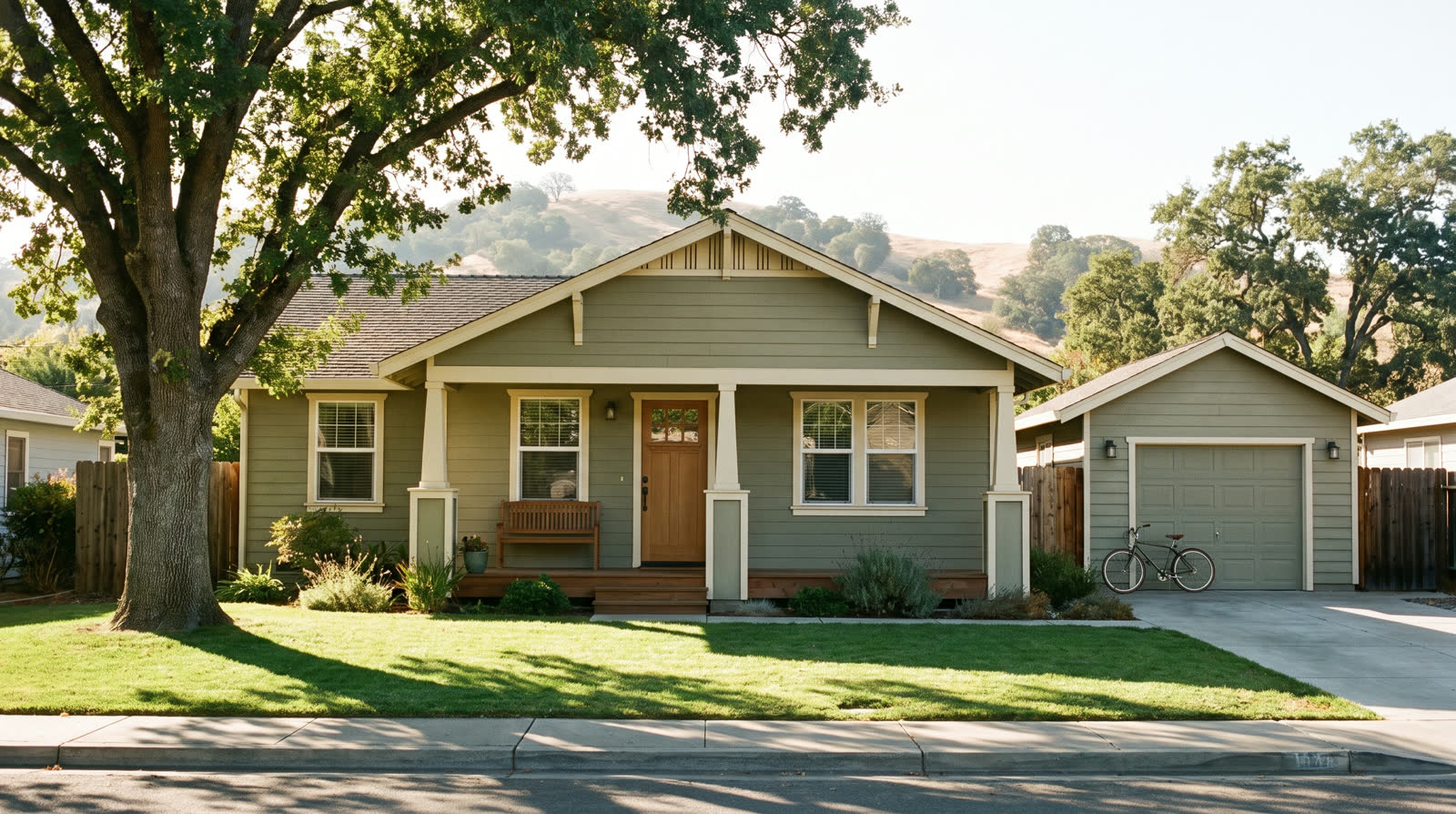
- Check your credit, earlyPull it months before you plan to buy. Errors are common and take time to correct, and small score changes move your rate more than people expect.
- Know your real monthly numberNot just the mortgage, taxes, insurance, and HOA if there is one. Compare that to what you pay in rent today. That comparison is the actual decision.
- Save beyond the down paymentClosing costs commonly run 2-5%, plus inspections, moving and the first repairs. Assistance programs can offset some of it, see below.
- Gather your paperworkTwo years of tax returns, recent pay stubs, bank statements and ID. If you're self-employed or paid seasonally, this matters more, not less.
- Don't open new creditNo new cars, credit cards or big financed purchases between pre-approval and closing. This derails more loans than almost anything else.
- Separate needs from wantsWrite both lists down before you tour anything. It's the only reliable defense against falling for a house that doesn't actually fit your life.
Real programs, verified
Help with the down payment actually exists.
These are real, named California and local programs, checked against the agencies' own sites in August 2026. Funding rounds open and close, so status is marked honestly, including the one that's currently closed.
CalHFA MyHome
A deferred-payment second loan for your down payment or closing costs. You make no monthly payments on it, repayment comes when you sell, refinance, or pay off the first mortgage.
- Up to 3.5% of purchase price with an FHA first mortgage
- Up to 3.0% with conventional, USDA or VA
- First-time buyer status, primary residence, county income limits
- Homebuyer education course required; must pair with a CalHFA first mortgage
GSFA Platinum
Confirmed to cover Antonio's actual service area. Notably, this one is not limited to first-time buyers, so move-up buyers can use it too.
- Base assistance is a second mortgage; a further gift-fund top-up may be available under the “Platinum Select” feature, which GSFA limits to certain occupations and loan types and describes as subject to market conditions rather than a fixed end date. GSFA currently lists total assistance of up to 5.5%. Confirm the current figure with a GSFA lender before relying on it.
- No first-time-buyer requirement
- FICO as low as 640; DTI up to 50% in some cases
- Available only through GSFA-participating lenders, not directly
City of Yuba City First-Time Buyer Program
The City lists this program, but its public page currently reads "coming soon" with no published eligibility or amounts. Rather than repeat numbers found elsewhere online, the honest answer is to contact the City directly.
- Contact the City's Development Services department for current status
- The City also administers CDBG and owner-occupied rehabilitation programs
CalHFA Dream For All
Listed deliberately, because many "2026 guides" still describe this as open and it is not. The application window closed in March 2026 and CalHFA is not taking new applications, only existing applicants and waitlisted households have pending status.
- Don't rely on third-party articles claiming it's currently available
- Worth watching for a future funding round, ask Antonio to flag it if one opens
Para nuestra comunidad
Bilingual support beyond this office.
Antonio works in Spanish, but you shouldn't have to take one person's word for anything. These are independent national resources you can use to get free counseling and check your own footing.
The National Association of Hispanic Real Estate Professionals, 40,000+ members and around 100 local chapters, dedicated to advancing sustainable Hispanic homeownership. Publishes the annual State of Hispanic Homeownership Report and the "10 Disciplines" wealth-building framework.
nahrep.org →You can get free, independent housing counseling from a HUD-approved agency, including Spanish-speaking counselors. Use the official finders rather than a single name listed here, since availability changes.
CFPB counselor finder →HUD's own California directory of approved housing counseling agencies, useful for finding someone near Yuba City or Sacramento. For the Sacramento market, the Greater Sacramento Urban League also offers housing counseling.
hud.gov California →These organizations are independent of Antonio Rubio and Better Homes Realty. They are listed because they are genuinely useful, not because of any affiliation, referral arrangement or endorsement.
Still have a question?
Ask it directly. Free, no obligation, and no question is too basic, English o español.
Not sure which loan fits?
Seven questions, about two minutes, no email. You get the programs worth asking about, the free guide that matches, and what to do next.